People, Pets & Responsible Growing
A good garden is one the whole household can live around safely. Here’s why cannabis is a real risk for pets, how I’d plan around it, and how to read product labels without assuming “natural” means harmless.
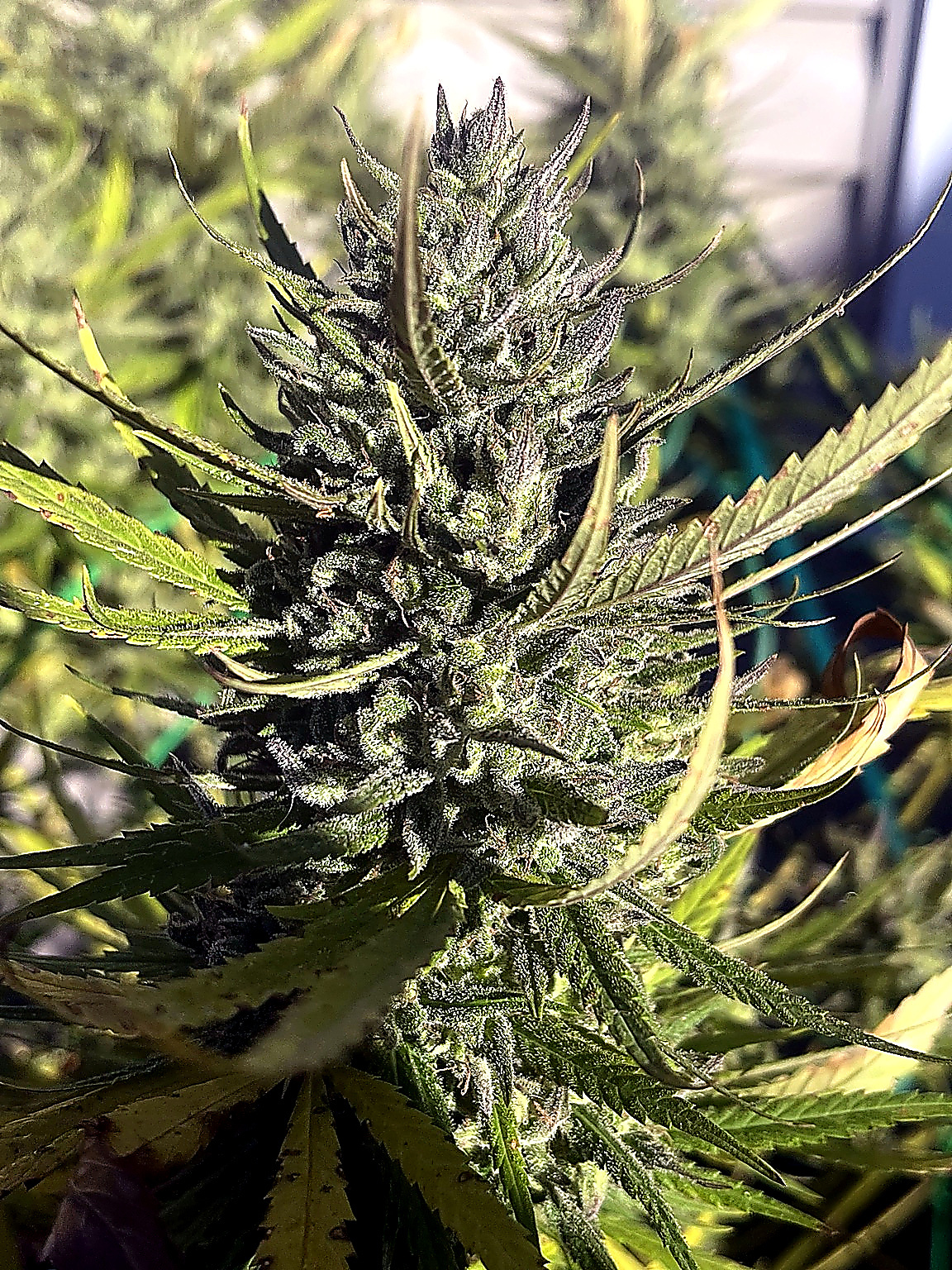
Why this matters
Veterinary references describe THC poisoning in dogs and cats. The Merck Veterinary Manual says signs usually show up within 1 to 2 hours after a pet eats it, that these cases cause a lot of illness but very rarely death, and that most pets respond well to supportive care. It also notes the FDA hasn’t approved any THC products for animals, so never give cannabis to a pet as a treatment. [1]
Edibles are an even bigger risk. Pets, especially dogs, go right for them, and they can have other toxic ingredients in them like chocolate. [2]
If you think a pet has eaten cannabis
Call your veterinarian or an animal poison control service right away, before trying any home remedy. The ASPCA Animal Poison Control Center is available 24 hours a day at (888) 426-4435, and a consultation fee may apply. [3] Tell them what your pet ate, how much, and when.
Planning the garden
- Keep plants in a fenced or secured area pets can’t get into without you there.
- Pick up trimmings. Fallen leaves, stems and trimmings are plant material too. Gather them up and keep them out of reach.
- Keep an eye on them. Pets can get into spots you’d never expect. Watch for chewing or digging around your plants and amendments.
Storing harvested cannabis
Treat dried flower, edibles and any other cannabis products like medicine: locked up and out of reach. Veterinarians quoted in news coverage of a 2022 survey of vets warn that child-resistant packaging isn’t dog-proof. [4]
Choosing products with care
- “Natural” and “organic” aren’t safety claims. The risk depends on the ingredients, how strong it is, how much you use and how you use it.
- OMRI Listed is about organic production, not pet safety. I look for OMRI Listed inputs, but I still read every label and check the guidance for that specific product.
- Follow the label’s storage, mixing, application, protective gear and re-entry rules, and keep people and animals out of treated areas for as long as it says.
- Only use products labeled for your situation. Pesticide rules for cannabis vary by state and country, so check with your local agriculture department.
- Prevention comes first. Scouting, keeping things clean and beneficial bugs come before any spray. See my pest and disease prevention guide.
- For questions about a certain product and your own pet, talk to your veterinarian.
A practical safety checklist: plants, harvests, and garden inputs
Cannabis with THC is toxic to dogs and cats, and it isn’t just edibles. Pets can chew on plants or get into dried flower, concentrates, oils, thrown-out material or anything left within reach. Edibles can bring other hazards too, like chocolate or other ingredients that are toxic to animals.
- Keep plants, harvested material, edibles, concentrates and garden products behind a closed door or in a locked container.
- Don’t leave trimmings, spills or thrown-out products where pets can get into them, and keep an eye on pets in the garden.
- Read every product label, and the safety data sheet when there is one. “Natural,” “organic” and OMRI Listed don’t guarantee a product is harmless to pets or safe for every use.
- Keep pets away while you apply anything and for the full re-entry time on the label. Don’t assume a product is safe just because it’s diluted or used outdoors.
If you think a pet ate cannabis or got into a product that could be toxic, call a veterinarian or animal poison control right away. Signs can include unusual sleepiness, wobbliness, vomiting, drooling, agitation, tremors or seizures. Don’t make them vomit or try home treatments unless a vet tells you to. Be honest about what they may have gotten into, and bring the packaging if there is any.
Veterinary references: Merck Veterinary Manual: THC toxicosis in dogs and cats; ASPCA: marijuana toxicity.
References
[1] Hommerding H; reviewed by Brutlag A. Toxicosis in dogs and cats from tetrahydrocannabinol (THC). Merck Veterinary Manual (professional version), reviewed February 2026. merckvetmanual.com
[2] Marijuana intoxication in pets. Today’s Veterinary Practice. 2023. Read the article (PDF)
[3] ASPCA Animal Poison Control Center. aspca.org/pet-care/animal-poison-control
[4] LaMotte S. It’s not just dogs: all sorts of pets are being poisoned by marijuana. CNN, April 20, 2022 (reporting on a PLOS ONE survey of veterinarians). Read the CNN story (republished by ABC 17 News). The survey itself: PLOS ONE, 2022.
Grow Green Outdoor provides general educational information, not veterinary, medical, legal, pesticide, or individualized agronomic advice. Product risks vary by ingredient, concentration, exposure, and use. Always follow product labels and keep people and animals away wherever instructions require it. Cannabis laws vary by location.

